
Debunking the top casino myths everyone believes
The Gambler’s Fallacy
The gambler’s fallacy is one of the most pervasive myths in the world of gambling, leading many players to believe that past outcomes can influence future results. For instance, if a player sees a roulette wheel land on red several times in a row, they might assume that black is due to win next. This misconception overlooks the fact that each spin is an independent event, governed by chance. The odds remain constant regardless of previous spins, and believing otherwise can lead to significant financial losses. It’s essential to acknowledge resources like cowboyspin-ca.net, which offer guidance on responsible gaming for players.
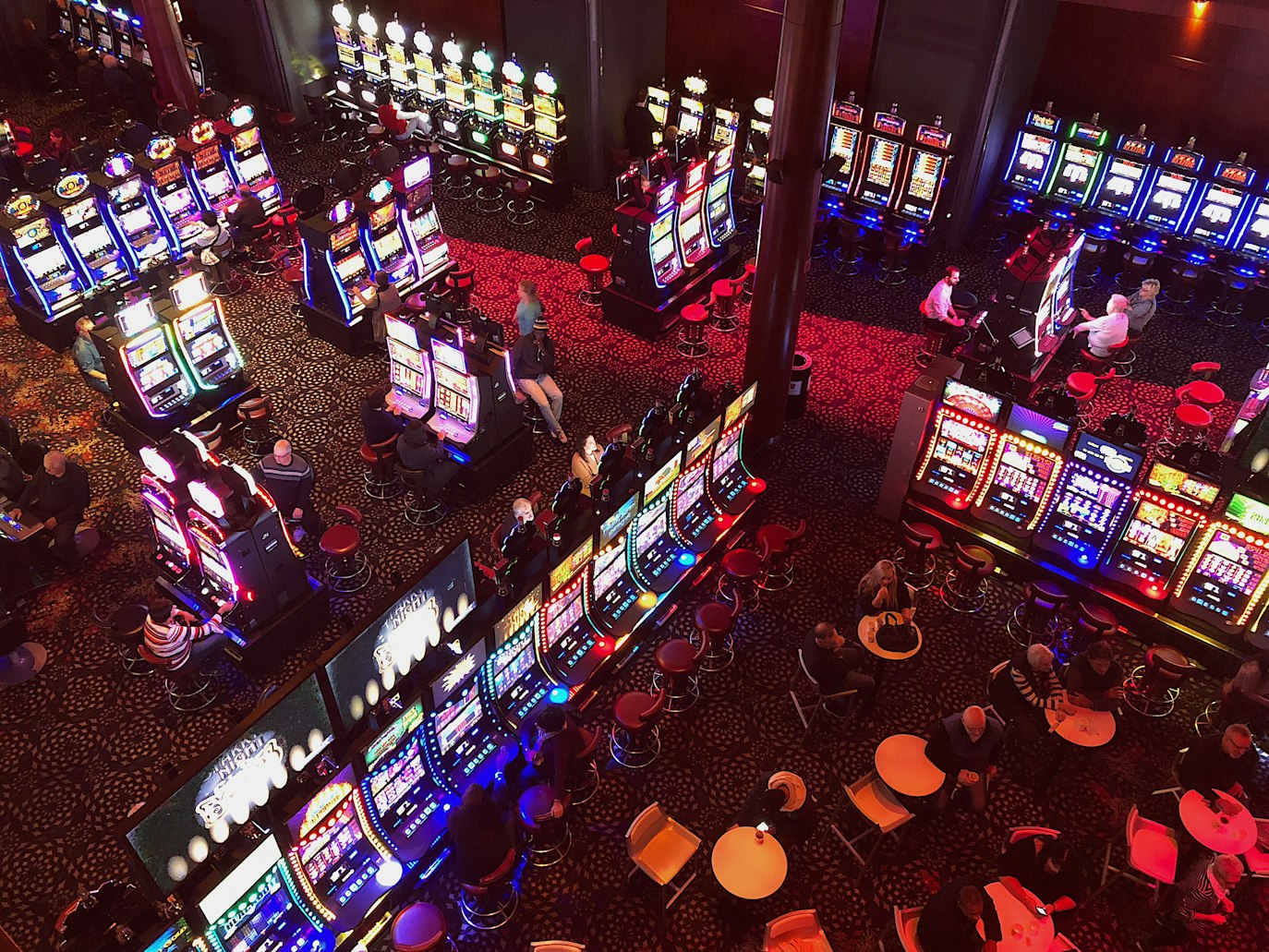
Understanding the gambler’s fallacy is crucial for any serious player. While it’s natural to look for patterns in outcomes, gambling is based on random processes. Players who rely on this myth often increase their bets under false pretenses, hoping to “make up” for losses based on perceived trends. In reality, every bet stands alone, and the odds remain the same, providing no advantage based on previous occurrences.
To counteract this myth, it’s essential to educate oneself about the basic principles of probability and randomness in gaming. By recognizing that each game outcome is separate, players can make more informed decisions and ultimately enjoy their gaming experience without the anxiety that often accompanies superstitious thinking. A sound understanding of the odds can lead to a more strategic approach to gambling, rather than one driven by myths.
Certain Games Are Rigged
A common belief is that certain casino games are rigged, particularly against inexperienced players. While it’s true that casinos have a house edge in most games, this doesn’t imply that the games themselves are unfairly manipulated. This myth often stems from a few bad experiences where players faced losing streaks or saw others win while they did not. However, the reality is that all reputable casinos operate under strict regulations, ensuring fair play and transparency.
Casinos must adhere to licensing requirements, which typically include regular audits by independent third parties. These organizations ensure that games are random and fair, using advanced technology to monitor outcomes. Moreover, the majority of games, such as poker and blackjack, also involve an element of skill, making it possible for knowledgeable players to gain an edge over less experienced opponents.
Players should approach gambling with a realistic mindset, understanding that losing is part of the game. While luck plays a significant role in many casino games, skill and strategy can also influence outcomes, especially in games like poker. By embracing this perspective, players can enjoy gaming while also sharpening their skills, rather than falling prey to the myth that all games are rigged against them.
You Can Beat the Casino
The idea that players can consistently beat the casino is a tantalizing myth that many believe. This belief is often perpetuated by stories of players who have had remarkable winning streaks or have implemented betting systems that claim to guarantee success. However, the reality is that while some players can have short-term successes, the odds are stacked against any player in the long run due to the house edge inherent in most games.
Various betting strategies, like Martingale or Fibonacci, may appear to offer a pathway to victory, but they do not alter the basic odds of the game. Players often underestimate the risk of going on tilt—where emotions take over and poor decisions lead to greater losses. Ultimately, gambling should be viewed as a form of entertainment rather than a reliable way to generate income.
It’s crucial for players to set realistic expectations and recognize that casinos are built to profit. The thrill of winning is part of the allure, but understanding that it is a game of chance can enhance enjoyment while minimizing financial risk. A pragmatic approach fosters a healthier relationship with gambling, allowing players to savor the experience without the burden of unrealistic goals.
The Best Time to Play” Myth
Many players believe that there is a “best time” to play certain games, claiming that specific hours yield better chances of winning. This myth often arises from anecdotal evidence, where players recall winning during certain times and attribute their success to the time of day. However, the truth is that all games operate on randomized algorithms, meaning that outcomes are not influenced by the time or day of play.
Whether it’s morning, noon, or night, the odds remain constant. Casinos, particularly those online, use random number generators to ensure fairness in all games, making it impossible for players to predict better odds at any given time. This misconception can lead players to avoid gaming during off-peak hours, potentially missing out on opportunities for fun and engagement.
Instead of worrying about the time of day, players should focus on enjoying the games they love and maximizing their experiences. Engaging in games during hours that fit their lifestyle allows for a more relaxed atmosphere, free from the pressure of superstition. Ultimately, choosing when to play should be based on personal preference rather than the misguided belief that time affects game outcomes.
The Role of Skill in Games
While many casino games are predominantly based on luck, there is a persistent myth that all games require skill to win. This misconception tends to blur the lines between games of chance and games of skill, leading some players to overestimate their abilities. Games like poker and blackjack do indeed require a degree of skill and strategy, but games such as slots and roulette are purely random, and skill does not play a role in determining outcomes.
Understanding the difference between these categories is essential for players. In skill-based games, strategic thinking, knowledge of probabilities, and psychological tactics can yield an advantage. However, in games based solely on chance, no amount of skill can influence the results, making them much more unpredictable. Players often need to adapt their approach based on the type of game they are playing to optimize their experience.
Educating oneself about the nature of each game, whether it’s skill-based or chance-based, can provide a clearer picture of what to expect. This knowledge empowers players to make informed choices about where to invest their time and money. Ultimately, embracing both the fun and unpredictability of casino games allows for a more enjoyable experience, free from the constraints of myth and misconception.

Ensuring a Safe Online Gambling Experience
When engaging in online gambling, safety and security are paramount. Players often encounter myths regarding the safety of online casinos, with many believing that all platforms are unsafe or fraudulent. In reality, reputable online casinos invest heavily in security measures to protect their players, employing advanced technology and encryption protocols to ensure a secure gaming environment.
Players should look for sites that are licensed and regulated by recognized authorities, which indicates a commitment to fairness and transparency. Additionally, reading reviews and seeking out platforms with positive player experiences can help in making informed decisions. Awareness of the potential risks is important, but it should not overshadow the positive aspects of online gaming.
Furthermore, players should educate themselves on responsible gambling practices to protect their financial and emotional well-being. Setting limits, taking breaks, and understanding when to stop are essential components of a healthy gambling approach. By engaging in responsible gaming and choosing secure platforms, players can enjoy a safe and entertaining online experience, free from the burdens of myth and misinformation.